 Hamburger SV Hub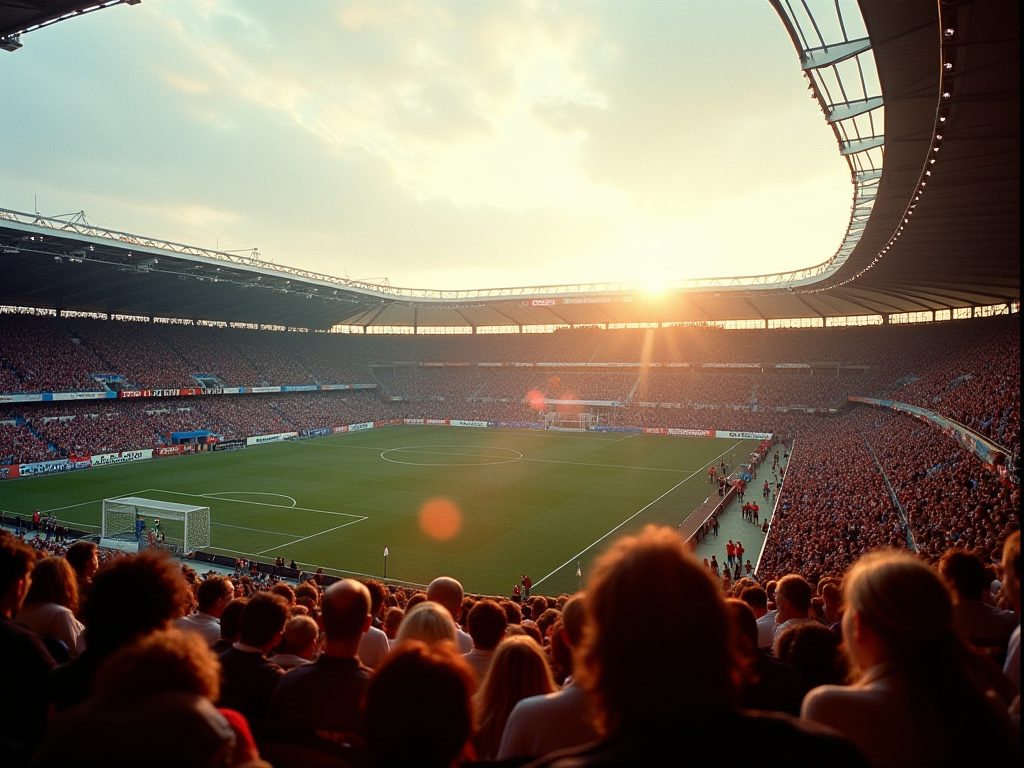
The 1970s was an exhilarating time for Hamburger SV as the club transitioned from a solid Bundesliga participant to a genuine title contender. After a respectable 6th place finish in the 1974/75 season, the club achieved its first major milestone with a second-place finish in the 1976/77 season, catapulting Die Rothosen onto the European stage.
Amidst this ascent, certain players stood out prominently. Uwe Seeler, a club legend, continued to play a crucial role, serving as a link between past successes and the new generation of talent. Players like Klaus Fischer and the young, dynamic striker Horst Hrubesch significantly contributed to revolutionizing the team’s offense, captivating fans with their skills. Their combination of technique and passion led to many memorable matches, providing unforgettable moments for supporters both in the stadium and on television.
Another pivotal moment of this decade was the change in coaching staff. With the introduction of a new coach implementing a modern style of play, the team became even more competitive. The tactical innovations and emphasis on teamwork and discipline fostered strong team chemistry, laying the groundwork for future successes.
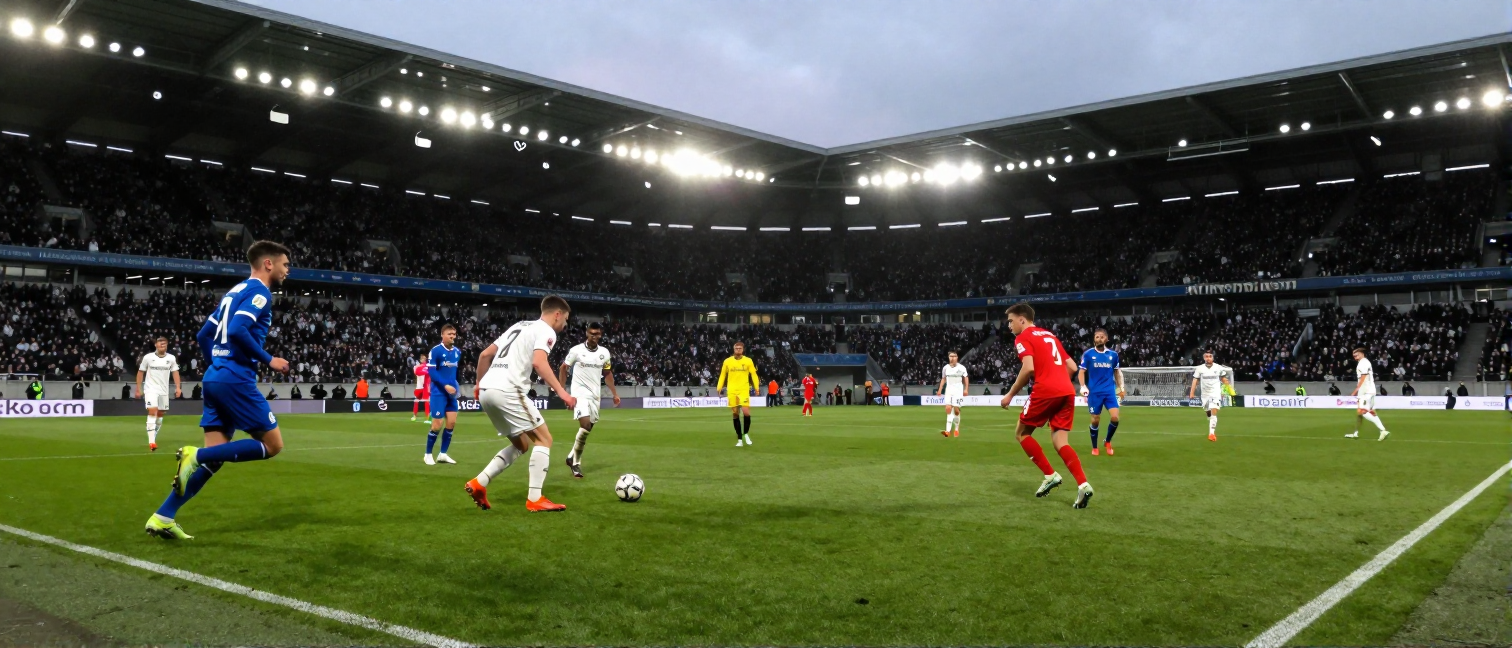
The fanbase also grew rapidly during this time. The stands filled with passionate supporters who backed the Rothosen at every home game in the Volksparkstadion. This atmosphere not only aided the players but also created an unforgettable backdrop for many memorable nights in Hamburg.
The 1970s were not just an era of ascent but also of identity for Hamburger SV. The blend of talent, tactical acumen, and a passionate fanbase ensured that Die Rothosen left a lasting impression on the German football landscape. This decade set the foundation for future triumphs and the legendary moments that would shape the club's history.