 Hamburger SV Hub
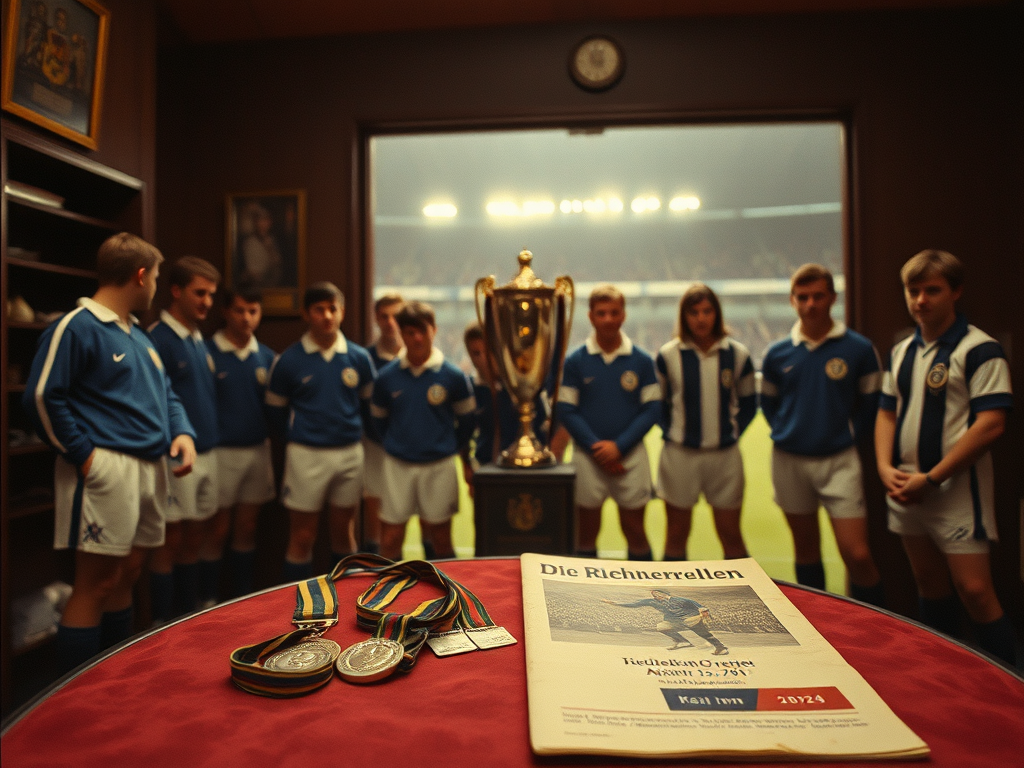
In 1979, after years of hard work and continuous development, Hamburger SV achieved promotion to the Bundesliga. Under the leadership of coach Pál Dárdai and a talented squad, the Rothosen topped the 2. Bundesliga, showcasing impressive performances that thrilled fans in Hamburg.
The decisive moment came on the final matchday of the season when HSV played at home in Volksparkstadion. The atmosphere was electric, and the support from the fans was overwhelming. The players were determined to secure promotion, and the entire city rallied behind them.
The Rothosen played with a mix of passion and tactical prowess that captivated the audience. Players like Uwe Seeler and Klaus Eder shaped the attack and were crucial to the team's success. Their relentless effort and team chemistry were key in handling the pressure of the final match.
Promotion to the Bundesliga was not just a sporting success but also a cultural event for the city of Hamburg. The celebrations after the match were unforgettable, with thousands of fans filling the streets to rejoice in the triumph. The promotion brought new hope and ambitions for the club and laid the foundation for future successes.
In the years following the promotion, HSV established itself as a serious contender in the Bundesliga, winning numerous titles, including several championships and cups. The promotion of 1979 remains a milestone in the club's history and a symbol of the fighting spirit and determination of the Rothosen.
This historic moment is not only a reflection on past successes but also an inspiration for the next generation of players and fans who continue to carry the tradition and pride of Hamburger SV.